What makes a Detroit beat hard and how do you use one for free?
Need articles like this for your video? They help promote it on YouTube and Google — order them in the Telegram bot @sat_sit_bot. The bot writes and publishes the articles itself (with your YouTube video embedded) on popular topical websites (no ads). Try it free: 50 articles on us.
· based on the channel davegotbeats
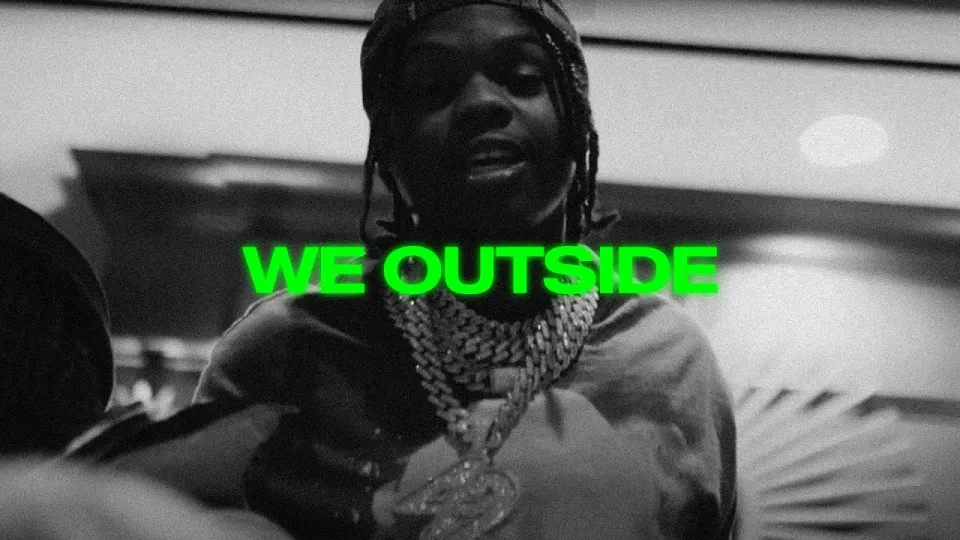
A Detroit beat is hard when it locks a 140–160 BPM half-time bounce to distorted 808s, a dark minor-key melody, and hi-hats that stumble just enough to feel alive. That combination is exactly what the free hard Detroit type beat "WE OUTSIDE" from davegotbeats delivers, and you can grab it through the producer's purchase and license page at bsta.rs/XPubtt. The style is not a regional curiosity anymore: it is one of the loudest sounds in rap right now.
What defines the Detroit beat sound
The Detroit sound is a tempo and texture formula more than a single drum kit. Producers in the city pushed faster, more aggressive instrumentals than the 2010s trap default, and the rest of the country caught up.
- Tempo: most Detroit records sit between 140 and 160 BPM, often felt as half-time so the drums land slow while the hats move fast.
- Low end: 808s are tuned, distorted, and long — they carry the melody as much as the bassline.
- Melody: minor keys, detuned pianos, eerie bells, and horror-movie synth lines dominate; happy chords are rare.
- Drums: snappy claps, rimshots, and triplet or rolling hi-hat patterns with deliberate gaps.
- Space: the best Detroit beats leave room for a rapper's ad-libs and punch-ins instead of filling every bar.
Those five elements explain why a Detroit type beat feels "hard" even at a moderate volume. The distortion does the work that volume usually does.
How to use a free hard Detroit type beat legally
A free download is a starting point, not a finished license. Type-beat producers usually separate free use from commercial release, and getting that wrong can take your song off streaming platforms.
- Download the free tagged or untagged file for writing, demos, and social clips.
- Check the producer's terms before you upload anything to Spotify, Apple Music, or YouTube monetization.
- Buy the lease or exclusive license that matches your expected audience and revenue.
- Keep the license file and receipt — distributors may ask for proof.
- Credit the producer in the title or description as the license requires.
The video description for "WE OUTSIDE" states plainly that a license is required for streaming on Apple Music, Spotify, and similar services. Free means free to try, not free to publish commercially.
What producers and rappers ask about Detroit type beats
New artists ask the same handful of questions in the comments of almost every Detroit beat upload, and the answers are consistent across the scene.
- Can I rap on this and upload it? Yes, with the correct license. A free download alone does not cover monetized streaming.
- How fast should I rap over it? Match the half-time feel: write in a pocket that lets the 808 breathe rather than filling every hi-hat.
- Does the beat need mixing? A type beat is usually mixed to be usable as-is, but your vocals still need their own treatment.
- Can I change the beat? Most leases allow arrangement edits for your song; selling the beat itself is never allowed.
- What if the beat gets taken down? If you hold a valid license, your release stays up; if you used a free file, you may have to re-upload with a licensed version.
Producers also use type beats as a portfolio. A hard Detroit instrumental that lands well can bring in lease sales, custom work, and placements, which is why channels keep releasing them.
Where "WE OUTSIDE" fits in the Detroit wave
The track from davegotbeats is a straightforward example of the modern hard Detroit type beat: dark melodic loop, heavy low end, and a bounce built for aggressive verses. It was published on January 5, 2024, and the channel's catalog extends well beyond it.
- The instrumental is aimed at rappers who want a gritty, high-energy pocket rather than a smooth melodic one.
- The channel offers 15+ free beats at davegotbeats.net for artists who want to test several tempos before committing.
- Paid licenses run through the BeatStars link in the description, with a buy-2-get-2-free promotion mentioned by the channel.
- Contact is handled by email at davegotbeats1@gmail.com for questions about usage, splits, or custom work.
If you are building a catalog, treat free Detroit beats as a writing tool and licensed ones as release material. That split keeps your workflow fast and your releases safe.
Common mistakes when rapping on Detroit beats
Most weak Detroit-style songs fail for the same reasons, and none of them are about talent.
- Rapping too fast. The beat already moves; doubling the vocal density flattens the groove.
- Ignoring the 808 line. If your vocal melody fights the bass notes, the mix turns to mud.
- Over-layering ad-libs. Detroit records use ad-libs as punctuation, not as a second vocal take.
- Skipping the license. A takedown costs more time than a lease costs money.
- Using a tagged file on a final release. Tags are a demo marker, not a stylistic choice.
Fix those five and almost any hard Detroit type beat becomes usable, including free ones.
How to pick the right Detroit beat for your voice
Tempo and key matter more than the drum pattern when you are choosing an instrumental. A beat that fits your range will sound professional even before mixing.
- Test three tempos: 140, 148, and 156 BPM versions of the same idea.
- Find your comfortable key — most rappers have one or two where their voice sits without strain.
- Record a 30-second scratch vocal before deciding; the beat should support you, not compete with you.
- Compare the beat against a reference track you already like in the Detroit lane.
- If nothing fits, request a custom or check the producer's other free beats before moving on.
This process takes an hour and saves days of mixing a song that was never going to sit right.
Final word on the Detroit beat formula
The Detroit beat sound works because it solves a problem: it gives aggressive rap a slow, heavy foundation without losing energy. Tempo, distorted 808s, minor-key melodies, and disciplined hi-hats are the whole recipe, and "WE OUTSIDE" from davegotbeats applies it cleanly for anyone writing in that lane. Start with the free catalog at davegotbeats.net, then lock in a license through bsta.rs/XPubtt before you release anything to streaming. The channel davegotbeats built this beat and the surrounding catalog as a working toolkit for rappers, not just as a listening exercise, so use it that way. Pick a tempo, write to the pocket, and clear the paperwork early.
Key takeaways
- Detroit beats typically run 140–160 BPM with a half-time feel, punchy 808s, and off-kilter hi-hats.
- The style grew from Detroit rap in the 2010s and now drives national acts and type-beat channels.
- A free type beat is for demos and practice; streaming on Spotify or Apple Music needs a paid license.
- davegotbeats offers 15+ free beats at davegotbeats.net and sells licenses via bsta.rs/XPubtt with a buy-2-get-2-free deal.
- The video "WE OUTSIDE" is a hard Detroit type beat published on January 5, 2024.
Questions & answers
Can I use a free Detroit type beat on Spotify or Apple Music?
Not with the free download alone. The description for "WE OUTSIDE" states that a license is required for streaming on Apple Music, Spotify, and similar platforms. Buy the appropriate lease or exclusive license first, then upload.
What BPM should a hard Detroit beat be?
Most Detroit instrumentals sit between 140 and 160 BPM, usually felt as half-time so the drums land slow while the hi-hats move quickly. Pick a tempo in that range that matches your natural flow before writing.
How do I get the beat file and a license from davegotbeats?
The purchase and license link is https://bsta.rs/XPubtt, and the channel mentions a buy-2-get-2-free offer there. For questions about usage or custom work, the contact email is davegotbeats1@gmail.com, and 15+ free beats are available at davegotbeats.net.
What should I avoid when rapping over a Detroit type beat?
Avoid rapping too fast over the half-time bounce, fighting the 808 melody with your vocal line, and stacking too many ad-libs. Also never release a tagged free file or skip the license, since both can get your song taken down.
Source: (FREE) HARD DETROIT TYPE BEAT 2024 - "WE OUTSIDE" · Markdown version